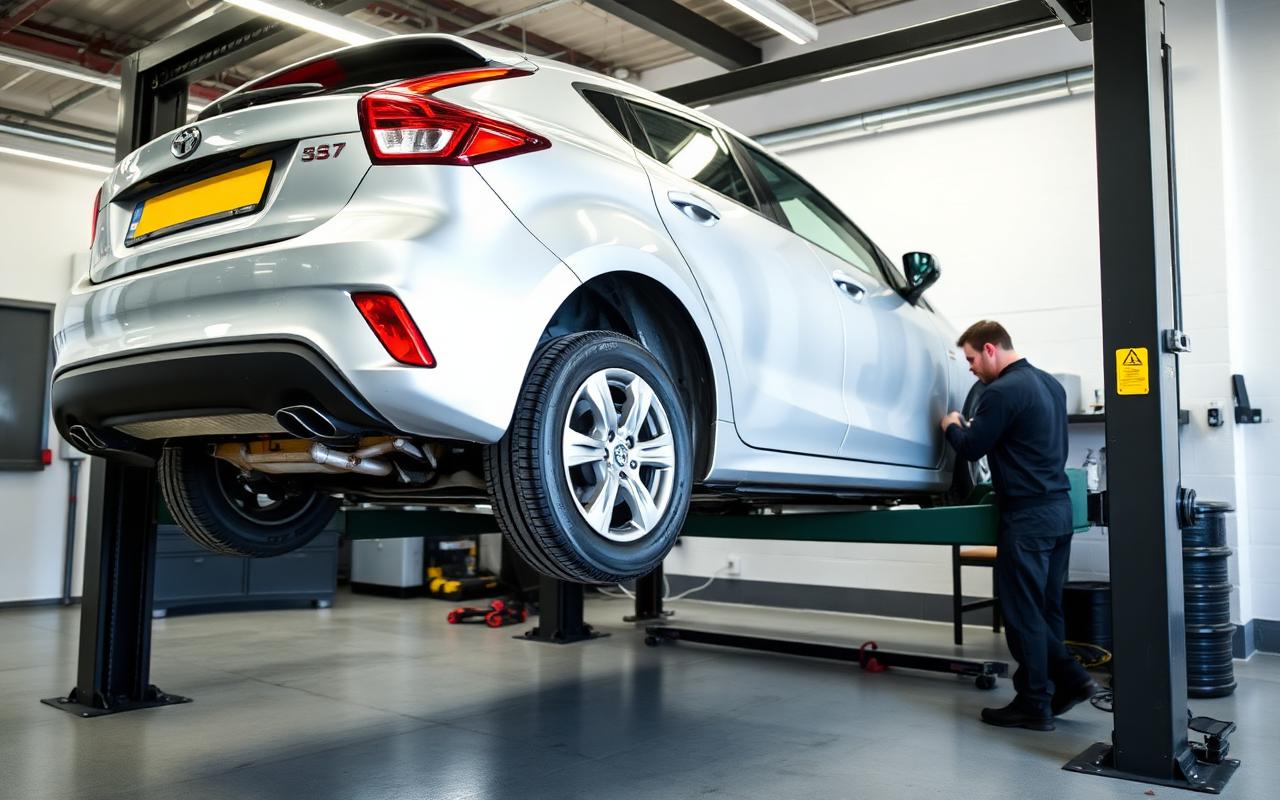
Servicing is often confused with an MOT, but the two do very different jobs. An MOT is a minimum legal safety and emissions check carried out once a vehicle passes three years old, assessed against pass/fail criteria on the day. A service is different: it's a manufacturer-designed maintenance programme intended to prevent wear-related failures before they happen. It covers items an MOT never looks at, such as engine oil condition, cabin and engine air filters, and brake fluid moisture content. It also covers the general health of components that degrade gradually with age and mileage rather than failing suddenly.
We offer three broad levels of service. An interim service is typically recommended around every six months or 6,000 miles for vehicles doing higher mileage. It focuses on the items that need attention most often — oil and filter, fluid levels, tyre condition, brakes and a general safety check. A full service, usually annual or at the manufacturer's specified interval, covers additional filters, spark plugs where due, and a wider range of components. Manufacturer-schedule servicing follows the exact task list, parts specification and interval set out by the vehicle manufacturer for that specific model and engine, which matters most for newer vehicles still within a warranty period.
Fluids and filters are replaced according to what the vehicle and the mileage or age actually require rather than a blanket approach. Engine oil grade and specification vary significantly between manufacturers, and even between engine variants of the same model. Using the correct specification affects both performance and long-term engine wear. Brake fluid absorbs moisture over time even in a sealed system, which lowers its boiling point and can affect pedal feel and braking performance under heavy use. It is checked and replaced at appropriate intervals rather than left indefinitely.
Where a vehicle's manufacturer supports it, we keep digital service records updated at the time of the work, which matters for future resale value and for continuity of warranty evidence. Using parts and fluids that meet the manufacturer's specification is central to preserving warranty cover while a vehicle is still within its warranty period. So is recording work in the format a manufacturer or future buyer expects. Using unsuitable parts or skipping specified items is one of the more common reasons warranty claims are challenged.
When customers come to us
- Service is overdue or history is unclear
- Vehicles bought used or serviced by multiple garages sometimes have a service history that is patchy or hard to verify. We can assess what is due based on mileage, age and any records available and bring the vehicle back onto a proper schedule.
- Warning light for a service reminder
- Many vehicles use an on-board service indicator based on mileage, elapsed time or oil condition sensors. Resetting the light without carrying out the underlying work is not something we do — the indicator should reflect work actually completed.
- Unusual noise or feel that started recently
- A change in how a vehicle sounds or drives during a routine service prompts a closer look, since these changes often indicate developing wear worth addressing before it becomes a bigger repair.
- Preparing a vehicle for sale
- An up-to-date service history, particularly a digitally recorded one, supports the vehicle's value and gives a buyer confidence about how it has been maintained.
- Keeping a manufacturer warranty valid
- Missing a specified service interval, or using parts that do not meet the manufacturer's specification, can be used to challenge a warranty claim. Staying on schedule with appropriate parts matters while a vehicle is still covered.
- High-mileage or older vehicle reliability
- As vehicles age, more items reach the end of their useful life around the same time. Regular servicing helps identify these before they cause a breakdown rather than after.