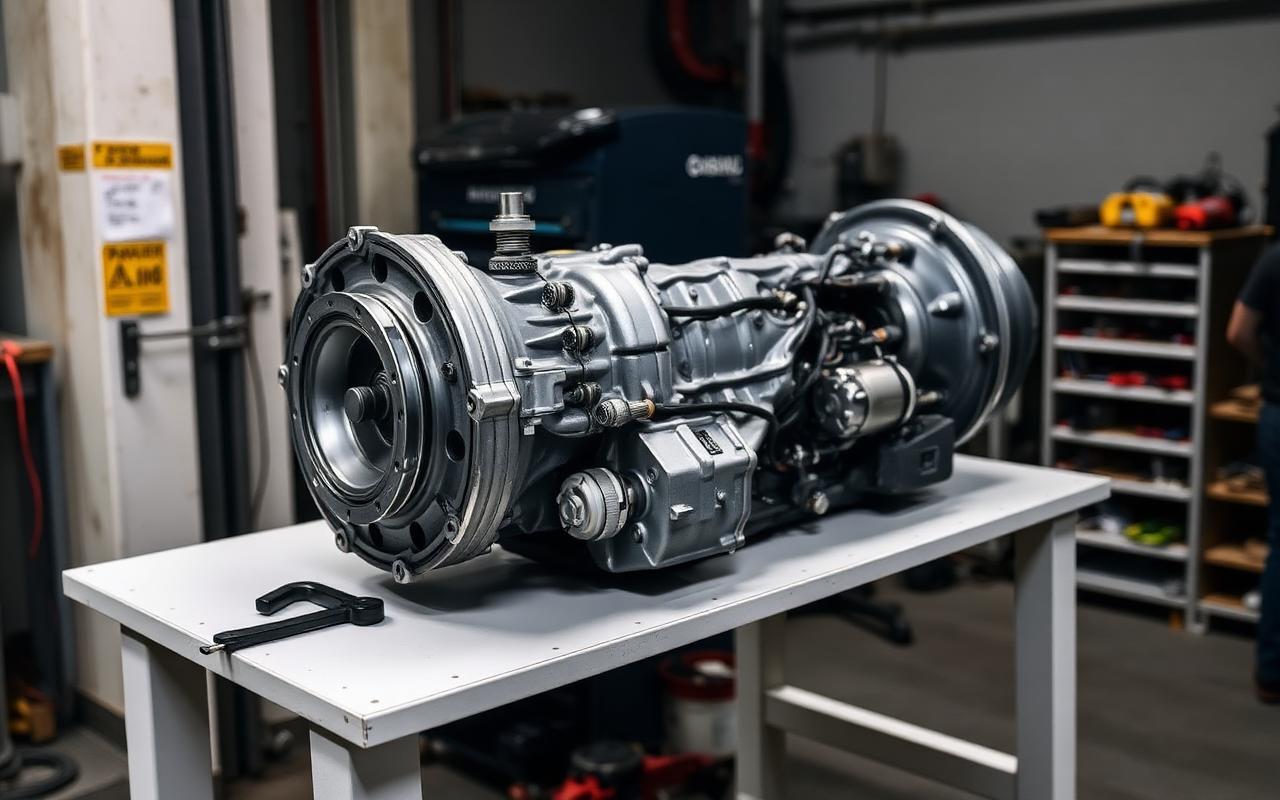
A gearbox, whether automatic, dual-clutch, CVT or manual, relies on fluid that does several jobs at once. It lubricates moving components, transfers hydraulic pressure to control clutch packs and bands, cools internal parts, and in modern units carries the additives that allow electronic control systems to sense and adapt shift behaviour. As that fluid ages, it oxidises, its friction-modifying additives deplete, and it picks up fine metallic and clutch material from normal wear. None of this happens overnight, but the cumulative effect on shift quality and internal wear is real. This is why fluid condition and change intervals matter more on a transmission than on almost any other part of the car.
The phrase 'sealed for life' has been applied by some manufacturers to gearboxes that, in practice, still contain fluid that degrades with use and mileage. 'Sealed for life' describes the way the unit is built and how it is designed to be filled at the factory, not a guarantee that the fluid inside never needs attention. In many cases 'life' in that phrase was intended to mean the life of the original warranty period, or a specific design assumption about usage. It was not intended to mean the working life of the vehicle on UK roads carrying stop-start traffic, towing, or high mileage. Treating a sealed-for-life gearbox as maintenance-free is one of the most common and most expensive assumptions a car owner can make.
Every gearbox family has its own specification, and getting this right is not optional. A ZF 8-speed automatic, a Mercedes 7G-Tronic or 9G-Tronic, a Volkswagen Group DSG, a Nissan or Honda CVT and a conventional torque-converter automatic from other manufacturers each use different fluid chemistries. They also use different filter and pan arrangements, and different fill procedures. Using the wrong fluid, or using an approximate 'universal' fluid, can cause harsh shifting, seal damage, or clutch pack slippage that did not exist before the service. We identify the correct fluid specification for your specific transmission before any fluid is drained, and where a dealer-level specification is required we source and use it.
The fill procedure itself is as important as the fluid. Many modern automatic and DSG transmissions require the fluid to be brought to a specific temperature, and filled to a level checked through a level plug at that exact temperature. They then have the transmission control unit's adaptation values reset or relearned so it can build a fresh map of clutch engagement points. Simply draining and refilling to an approximate level, without following the vehicle-specific procedure, can leave a gearbox either underfilled, which starves components of lubrication and cooling, or overfilled, which causes aeration, foaming and pressure faults.
When customers come to us
- Harsh or jerky gear changes
- A shift that used to be smooth and has become abrupt or jarring is often an early sign of degraded fluid or clutch pack wear, and is worth investigating before it worsens.
- Hesitation before a gear engages
- A noticeable pause between selecting a gear and the vehicle responding can point to low fluid pressure, worn internal components, or a fluid that no longer meets the correct specification.
- Delayed engagement from park or neutral
- A delay when moving off from a stop is a commonly reported symptom that can relate to fluid condition, filter blockage, or internal wear, and needs assessment to establish which.
- Shuddering, especially around town-speed shifts
- A shudder or vibration during light-throttle gear changes, particularly on DSG and CVT units, is frequently linked to worn clutch material or fluid that has lost its friction properties.
- No previous documented gearbox service history
- A vehicle with high mileage and no record of a transmission fluid change is at higher risk of accelerated wear, regardless of the 'sealed for life' label it may have been sold with.
- Warning lights or transmission fault codes
- Illuminated warning lights relating to the transmission require proper diagnosis rather than assumption, since the underlying cause could range from a sensor fault to internal wear.