360 Garage

Vehicle Air Conditioning Servicing and Repair

A weak or warm air conditioning system is rarely fixed by simply adding refrigerant. We pressure test and leak-check the system first, then regas using the refrigerant type your vehicle actually requires, so the underlying cause is addressed rather than temporarily masked.

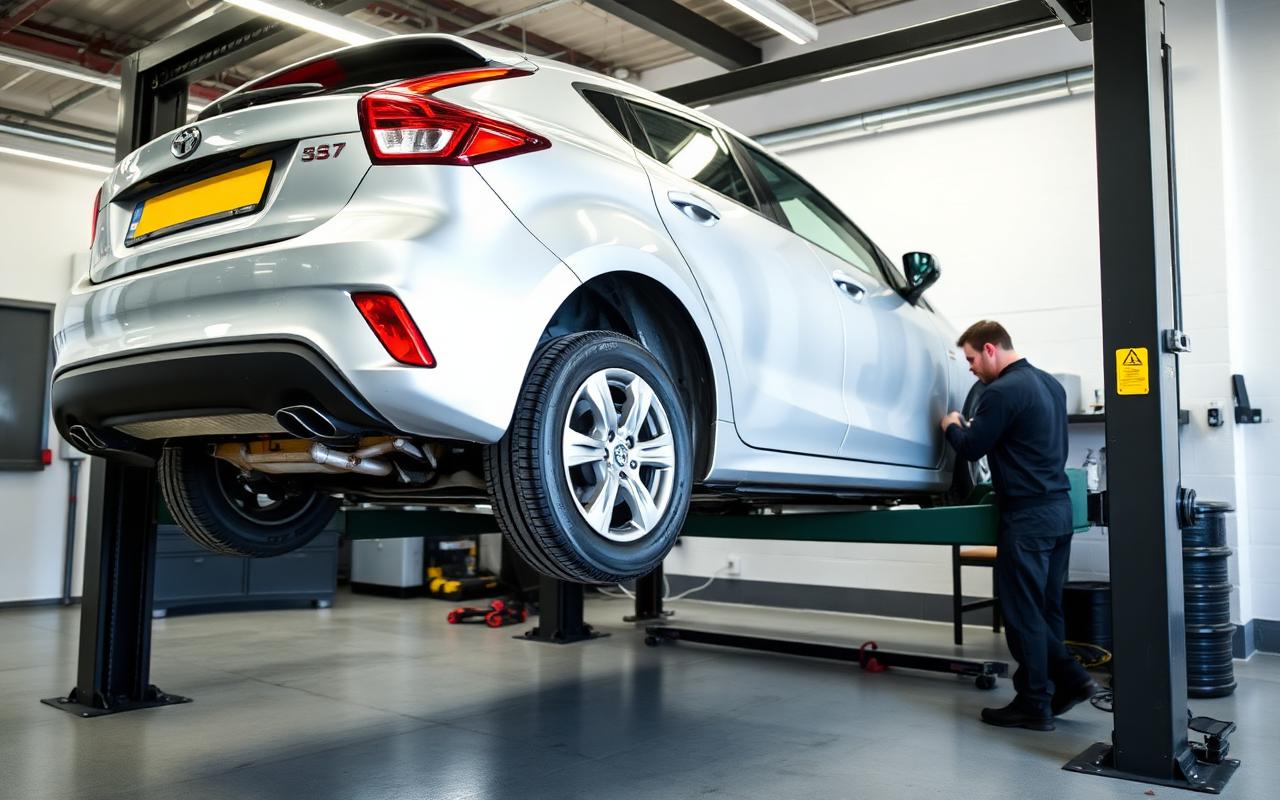
Technician connecting air conditioning service equipment to a vehicle

About this service

A vehicle air conditioning system is a sealed refrigerant loop made up of a compressor, condenser, evaporator, expansion valve or orifice tube, and a network of pipework and seals. The compressor, driven by the engine or, in hybrid and electric vehicles, by a dedicated electric motor, pressurises refrigerant gas. It pushes the gas through the condenser at the front of the car, where it releases heat and turns to a liquid. That liquid then passes through an expansion device into the evaporator inside the cabin, where it expands, absorbs heat from the air passing over it, and cools the air blown into the vehicle.

Refrigerant type matters because different vehicles use different gases, most commonly R134a on older vehicles and R1234yf on newer ones, and the two are not interchangeable. Using the wrong refrigerant, or mixing types, can damage seals, contaminate the system and, in some cases, create a genuinely unsafe outcome. Before any work is carried out we confirm which refrigerant a vehicle is designed for and use only that type.

The most common reason an air conditioning system stops cooling effectively is a slow refrigerant leak, since even a small loss of refrigerant significantly reduces cooling performance long before the system runs completely empty. Simply topping up refrigerant without finding and fixing the leak means the same fault will recur, often within weeks or months. The customer ends up paying repeatedly for a temporary fix rather than once for a proper repair. This is why we treat 'blind regassing' — adding refrigerant without testing the system first — as poor practice we do not carry out.

Proper diagnosis starts with pressure testing the system while it is running, comparing readings on the high and low pressure sides against expected values for the ambient conditions. Abnormal pressures point toward specific faults. Low pressure on both sides typically suggests a leak or low refrigerant charge, while other pressure patterns can indicate a failing compressor, a blocked expansion device, or a restriction elsewhere in the system. From there, dedicated leak-detection methods, including UV dye tracing and electronic leak detectors, are used to pinpoint exactly where refrigerant is escaping.

When customers come to us

Air conditioning blowing warm air
A system that no longer cools effectively usually indicates refrigerant loss through a leak, and needs pressure testing rather than an immediate regas to establish the cause.
Weak or intermittent cooling
Cooling performance that fades over a journey, or varies from day to day, often points to a slow leak that is gradually depleting refrigerant charge.
Musty or unpleasant smell from the vents
An unpleasant odour is commonly caused by microbial growth on the evaporator core, and is addressed through evaporator cleaning and cabin filter renewal.
Unusual noise when the air conditioning is switched on
Noise coinciding with the compressor engaging can indicate compressor wear or a mounting or clutch fault, and should be assessed before continued use causes further damage.
System previously topped up but faded again quickly
A regas that only lasts a short time strongly suggests an unaddressed leak, since a correctly sealed system should hold its charge for an extended period.
No cold air at all
A complete absence of cooling can indicate a fully depleted refrigerant charge, an electrical or compressor clutch fault, or a system that has shut down to protect itself, and needs proper diagnosis.

What the work includes

  • System pressure testing on the high and low pressure sides
  • UV dye and electronic leak detection to locate the exact source of refrigerant loss
  • Correct refrigerant identification for the specific vehicle (R134a or R1234yf)
  • Full system evacuation to remove air and moisture before recharging
  • Recharge with the correct refrigerant type, quantity and compressor oil
  • Compressor, condenser and evaporator fault diagnosis
  • Seal and pipe leak repair where accessible and appropriate
  • Cabin filter inspection and replacement where needed
  • Evaporator cleaning to address microbial odours
  • Performance verification after repair, checking vent temperature against expected values
  • Clear explanation of findings, including where a component replacement is required

How it works

The 360 process for air conditioning

  1. 01

    Initial assessment

    We check the reported symptom, current system performance and any previous air conditioning work carried out on the vehicle.

  2. 02

    Pressure testing

    The system is connected to diagnostic gauges and run to compare high and low side pressures against expected values, identifying the likely category of fault.

  3. 03

    Leak detection

    UV dye tracing and electronic leak detection are used to pinpoint the exact source of refrigerant loss, rather than assuming a leak location.

  4. 04

    Repair

    The identified fault, whether a seal, pipe, condenser or compressor issue, is repaired or the component replaced as appropriate.

  5. 05

    Evacuation and recharge

    The system is evacuated to remove air and moisture, then recharged with the correct refrigerant type, quantity and compressor oil for that specific vehicle.

  6. 06

    Performance verification

    We check vent temperature and system behaviour to confirm the repair has resolved the fault before returning the vehicle.

Capability

How a car air conditioning system actually works

The compressor is the heart of the system, pressurising refrigerant gas so it can release heat later in the cycle. In conventional vehicles it is driven by a belt from the engine and engages through an electromagnetic clutch. Hybrid and electric vehicles typically use a dedicated electric compressor that can run independently of the engine.

The condenser, mounted at the front of the vehicle alongside the radiator, allows the hot, pressurised refrigerant gas to release heat to the outside air and condense into a liquid. A condenser that is damaged, blocked with debris, or has restricted airflow cannot release heat efficiently, reducing overall cooling performance.

The expansion valve or orifice tube creates a pressure drop as refrigerant passes into the evaporator, causing it to expand rapidly and turn back into a gas. This expansion absorbs heat from the surrounding air, which is why the evaporator, mounted inside the dashboard, becomes cold and cools the air blown across it into the cabin.

Refrigerant type is not interchangeable between systems. R1234yf, used on newer vehicles, has different properties and handling requirements to the older R134a, and using the wrong type can damage seals designed for a different chemical composition and compromise system performance.

Blind regassing, adding refrigerant without pressure testing or leak detection first, treats a symptom rather than a cause. Because refrigerant systems are sealed, any drop in charge means refrigerant has escaped somewhere, and finding that point is the only way to prevent the same fault recurring.

Why we do not blind-regas a system

Air conditioning refrigerant systems are sealed by design, so any noticeable drop in performance almost always indicates a leak. Adding refrigerant without testing and diagnosing the system first only masks the symptom temporarily and can mean a customer pays repeatedly for the same unresolved fault. We assess before we recharge, and we will explain clearly where a repair is more involved than a straightforward regas.

Why 360

Why customers choose us for this work

Diagnose before we recharge
We pressure test and leak-check every system before adding refrigerant, rather than offering a blind regas as a first response.
Correct refrigerant for your vehicle
We identify and use the correct refrigerant type for your specific vehicle, never a generic substitute.
All makes and models, including hybrid and EV systems
We work on conventional belt-driven compressors and dedicated electric compressors used in hybrid and electric vehicles.
Transparent findings
We explain exactly what we found and why a repair is or is not needed, rather than defaulting to a top-up as standard.

Reading facility

Loverock Road, Reading

  • 360 Garage
  • 360 Alloys

Garage, MOT, diagnostics, mechanical repairs, performance and alloy-wheel refurbishment.

119 Unit 4 Loverock Road, Reading, RG30 1DZ
0118 394 3000

Monday – Friday: 9:00am – 6:00pm

Saturday: By appointment only

Sunday: By appointment only

Questions

Air Conditioning — frequently asked

360 Garage

Book an Air Conditioning Check

MOTs, servicing, diagnostics, repairs and performance upgrades.

Add photos if they help us understand the work. This is optional.

We’ll use these details only to respond to your enquiry and manage any work you ask us to complete. View our Privacy Policy.