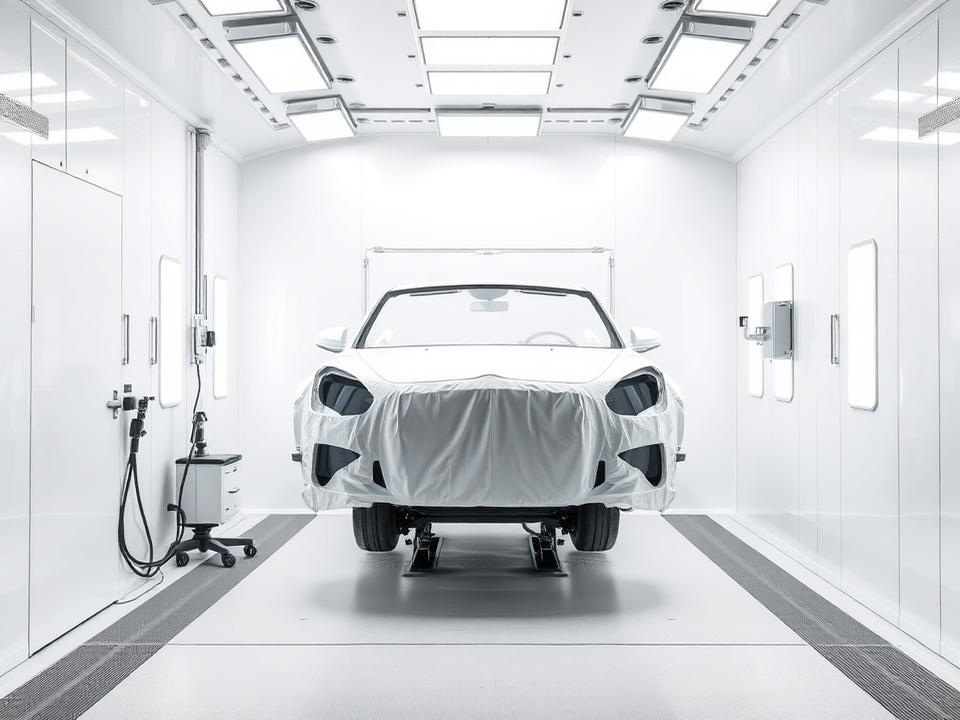
Detailing and body repair solve different problems. Body repair fixes physical damage — dents, scratches through the clear coat, cracked bumpers, mismatched paint — using filler, respraying and panel work. Detailing works with the paint that's already there, cleaning it safely, removing contamination and correcting surface-level defects like light swirl marks and haze to bring out the gloss the paint is actually capable of. If a car has a scratch or dent, detailing won't fix it. But detailing is often the right next step once a repair has been carried out and cured, to bring the whole vehicle back to a consistent finish.
The process starts with a safe wash, which sounds like a basic step but is actually where a lot of the damage that detailing later has to correct comes from in the first place. Using the wrong wash technique or dirty equipment introduces fine scratches (swirl marks) into the clear coat every single time the car is washed. This is why we use a two-bucket or contactless approach and clean equipment to avoid dragging grit across the paint.
Decontamination follows the wash, removing things a normal wash doesn't shift. This includes embedded iron particles from brake dust, tar spots, tree sap, and bonded environmental fallout that sit on top of the paint rather than washing off. This is usually done with a dedicated iron remover and a clay bar or clay mitt, which physically lifts bonded contaminants off the paint surface. Skipping this step means any polishing afterward just moves contamination around rather than actually cleaning the surface.
Paint enhancement and paint correction address the paint's surface condition itself. Enhancement is a lighter single-stage polish aimed at improving gloss and removing light imperfections, suited to paint that's in reasonably good condition. Correction is a more involved multi-stage machine polishing process that removes a controlled amount of clear coat to level out swirl marks, light scratches and oxidation. It takes more time and is suited to paint that's more heavily marked. Both work within the depth of the clear coat, so how much correction is realistic depends on how much usable clear coat thickness the paint has left. Clear coat that's already thin from age or previous heavy polishing limits what correction can safely achieve.
When customers come to us
- Dull, swirled paint from poor washing history
- Fine scratches built up from improper washing over time reduce gloss and clarity; correction polishing can usually remove or significantly reduce these.
- Contamination that won't wash off
- Tar spots, tree sap, bonded brake dust and environmental fallout sit on the paint surface and need dedicated decontamination products, not just soap and water.
- Paint looking tired ahead of a sale or event
- A safe wash, decontamination and enhancement can significantly lift a car's appearance without needing any repair work.
- Wanting to protect paint before winter or long-term storage
- Correction and protective products applied beforehand help reduce the impact of road salt, grit and general environmental exposure.
- Preparing a car for ceramic coating
- A coating needs a properly decontaminated and, where necessary, corrected surface underneath to perform and look as intended.
- Interior needing a refresh
- Where available, interior cleaning options can address general grime and wear, though our core expertise is exterior paintwork.