360 Garage

Brake Repairs in Reading

Brakes are one of the most safety-critical systems on any vehicle, and we assess them properly with measurement and inspection rather than assumption. We carry out brake repairs and servicing on all makes and models at our Loverock Road workshop.

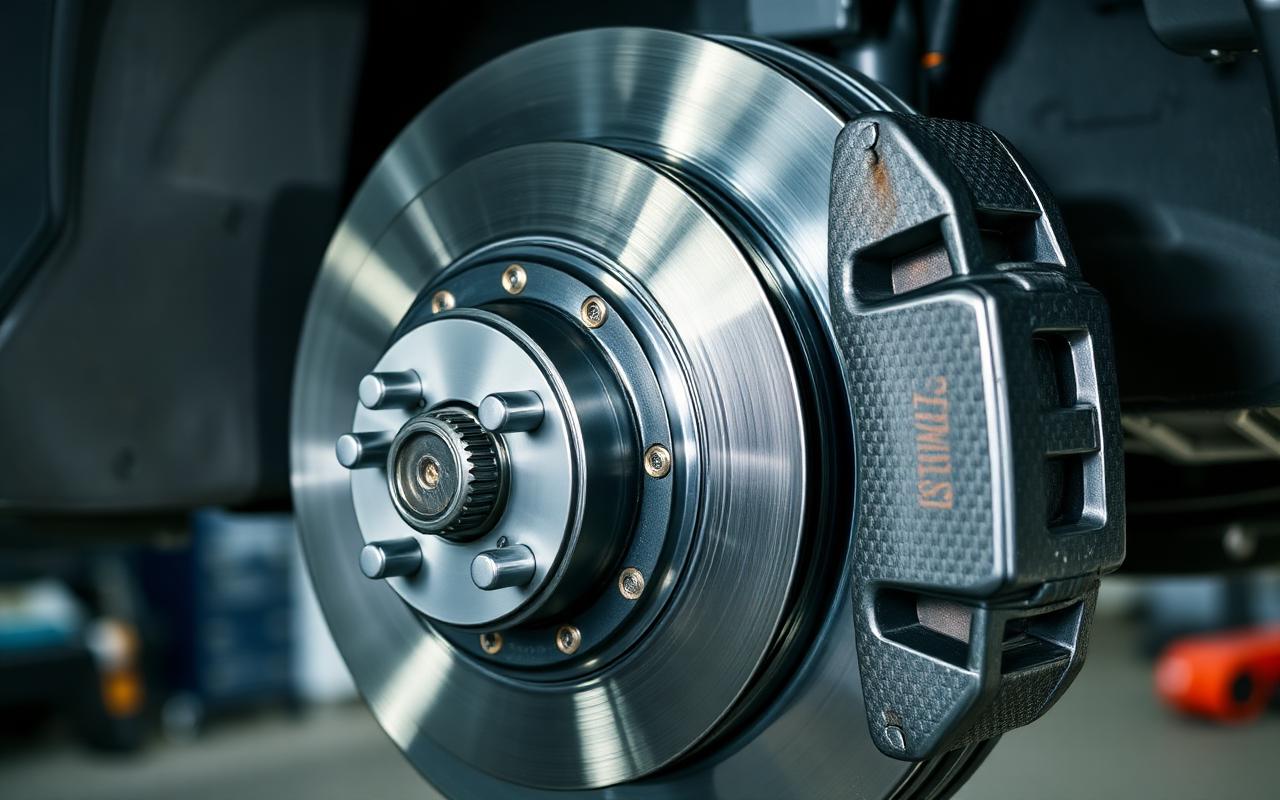
Close-up of a vehicle brake disc and caliper during inspection

About this service

A vehicle's braking system is made up of several components working together. These include pads and discs at each wheel, and calipers that clamp the pads against the discs. They also include brake fluid that transmits hydraulic pressure from the pedal to each caliper, and flexible hoses that allow this pressure to reach the wheels as they move with the suspension. On top of this, most modern vehicles use an anti-lock braking system (ABS) and increasingly an electronic parking brake in place of a traditional handbrake lever.

Pads and discs wear gradually with use, and their remaining life is genuinely measured rather than estimated by eye alone. Pad thickness and disc condition are checked against manufacturer minimums, and we explain what we find rather than simply stating 'these need replacing' without evidence. Discs can also develop scoring, cracking or uneven wear which affects performance even if there is technically pad material remaining, so both components are assessed together rather than in isolation.

Calipers apply and release pressure to the pads, and can develop faults such as a seized slider or piston. This causes uneven pad wear, pulling to one side under braking, or reduced overall performance even with adequate pad material. Brake fluid absorbs moisture from the atmosphere over time even in a sealed system, which lowers its boiling point. Under sustained heavy braking this can lead to a spongy pedal or reduced performance from vapour forming in the fluid, which is why fluid is replaced at appropriate intervals rather than left indefinitely. Flexible brake hoses can perish, crack or bulge internally with age, restricting fluid flow or presenting a failure risk, and are inspected as part of a proper brake assessment.

ABS prevents wheels locking under heavy braking, helping maintain steering control. Faults in this system are usually flagged by a warning light and diagnosed using live data from the relevant wheel speed sensors and control module, rather than assumption. Brake fade is a temporary reduction in braking performance, most often caused by the pads and discs overheating under sustained hard use such as descending a long hill. It is different from a permanent mechanical fault, though repeated fade can accelerate wear.

When customers come to us

Squealing or grinding noise when braking
Squealing can be a wear indicator doing its job or simply glazed pad material, while grinding often indicates pad material has worn through to metal — we establish which through inspection rather than assumption.
Vibration felt through the pedal or steering when braking
This is commonly linked to disc condition, such as uneven wear or thickness variation, and is confirmed by measuring the discs rather than by feel alone.
Car pulls to one side under braking
This can indicate a sticking caliper, uneven pad wear, or occasionally a suspension-related cause, and needs proper inspection to identify which.
Spongy or soft brake pedal
This can be caused by air or moisture in the brake fluid, a fluid leak, or in some cases a caliper fault, and is investigated rather than resolved by simply topping up fluid.
Warning light for ABS or brake system
These lights indicate a fault has been detected in the relevant system and are diagnosed using live data and testing rather than ignored or reset without investigation.
Electronic parking brake fault or warning
Electronic parking brakes require specific procedures to service or replace rear pads correctly, and faults are diagnosed using the appropriate diagnostic tools for that system.

What the work includes

  • Brake pad and disc measurement against manufacturer minimums
  • Pad and disc replacement to the correct specification
  • Caliper inspection, including sliders and pistons
  • Brake fluid condition testing and replacement where due
  • Flexible brake hose inspection
  • ABS system diagnosis using live data
  • Electronic parking brake servicing using correct reset procedures
  • Investigation of vibration, pulling or noise under braking
  • Road test to confirm braking performance after any work

How it works

The 360 process for brakes

  1. 01

    Describe the symptom

    We ask about noise, vibration, pedal feel or warning lights, since this focuses the inspection on the most likely causes before the wheels come off.

  2. 02

    Physical inspection and measurement

    Pads, discs, calipers and hoses are inspected and measured, giving an evidence-based picture of current condition rather than an estimate.

  3. 03

    Findings explained

    We explain measurements found against manufacturer minimums and what, if anything, needs attention now versus what can be monitored.

  4. 04

    Repair carried out

    Agreed work is completed using components to the correct specification for the vehicle, including any electronic parking brake reset procedure where relevant.

  5. 05

    Bedding-in guidance

    Where new pads or discs are fitted, we explain any bedding-in process needed to reach full performance.

  6. 06

    Road test

    A road test confirms braking performance and pedal feel are correct before handover.

Capability

How brake wear and faults are actually assessed

Pad and disc condition is measured, not estimated. Pad thickness is checked against the minimum specified by the manufacturer, and discs are checked for thickness, scoring and run-out (a wobble that develops as a disc wears unevenly). A disc can cause vibration even with adequate thickness remaining if it has developed run-out or heavy scoring.

Brake fade is a temporary loss of braking performance caused by pads and discs overheating during sustained hard use, which reduces the friction available between the two surfaces. It is different from a permanent mechanical fault. It is worth noting, though, that repeated fade accelerates wear. It can also indicate the vehicle is being used in a way — heavy load, mountain driving, track use — that warrants closer or more frequent brake inspection.

Electronic parking brakes use a small motor within or near the rear caliper to apply and release clamping force electronically rather than through a cable. Replacing pads on these systems requires the caliper piston to be retracted using the correct procedure — often via a diagnostic tool that puts the system into a service mode. Forcing the piston back without this can damage the motor or gearing inside the caliper.

Brake fluid is hygroscopic, meaning it absorbs moisture from the atmosphere over time even within a sealed system. As moisture content rises, the fluid's boiling point falls, which increases the risk of vapour forming in the fluid under sustained heavy braking. This vapour compresses, unlike fluid, and results in a spongy pedal and reduced braking performance at the point it is needed most. This is why fluid condition is tested and replaced at appropriate intervals rather than left indefinitely.

  • Pads and discs are measured against manufacturer minimums, not judged by eye
  • Disc run-out and scoring can cause vibration even with pad material remaining
  • Electronic parking brakes need a specific reset procedure to service safely
  • Brake fluid absorbs moisture over time, lowering its boiling point

Brakes are always treated as safety-critical

Where measurement shows pads, discs or other brake components have worn below a safe limit, or a fault is found affecting braking performance, we will always recommend this is addressed promptly. We do not treat it as something to defer. We do not carry out brake work based on guesswork, and any recommendation is backed by measurement or diagnostic evidence.

Why 360

Why customers choose us for this work

Measurement, not guesswork
Pad thickness, disc condition and fluid quality are measured and tested, with findings explained clearly rather than assumed.
Electronic parking brake capability
We use the correct reset procedures for electronic parking brake systems, avoiding damage from forcing the mechanism.
ABS diagnosis with live data
ABS faults are diagnosed properly using live data from the relevant sensors rather than parts being replaced speculatively.
All makes and models
We service and repair brake systems across a wide range of manufacturers and vehicle types.

Reading facility

Loverock Road, Reading

  • 360 Garage
  • 360 Alloys

Garage, MOT, diagnostics, mechanical repairs, performance and alloy-wheel refurbishment.

119 Unit 4 Loverock Road, Reading, RG30 1DZ
0118 394 3000

Monday – Friday: 9:00am – 6:00pm

Saturday: By appointment only

Sunday: By appointment only

Questions

Brakes — frequently asked

360 Garage

Book a Brake Check

MOTs, servicing, diagnostics, repairs and performance upgrades.

Add photos if they help us understand the work. This is optional.

We’ll use these details only to respond to your enquiry and manage any work you ask us to complete. View our Privacy Policy.