Forced regeneration uses heat, triggered by diagnostic equipment while the vehicle is stationary, to burn off soot in the same way passive or active regeneration would during normal driving. It is fast and requires no filter removal, but it only addresses soot and does nothing to remove ash. It also cannot be used to assess the physical condition of the filter, since it never leaves the car.
On-car chemical cleaning introduces a fluid into the DPF to help break down and assist removal of soot deposits without removing the filter. It can be effective for lighter, soot-dominant blockages and is less invasive than removal, but like forced regeneration it cannot remove ash and does not allow direct inspection of the substrate.
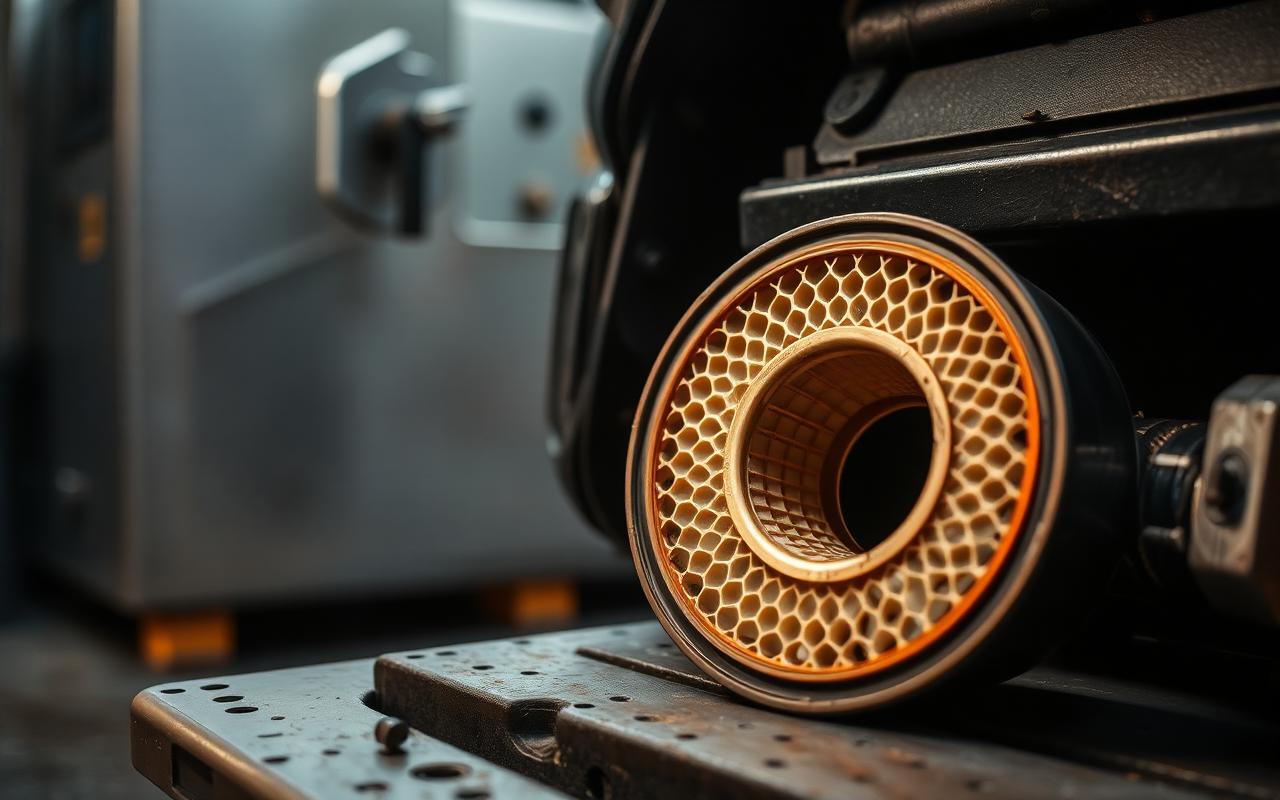
Off-car machine cleaning is the most thorough option because the filter is physically removed. This allows back-pressure and condition to be properly assessed, cleaning media to be forced through the structure from both directions to reach ash as well as soot, and the substrate to be inspected for cracking or damage before it goes back on the car. It takes longer and involves removal and refitting, but it is the only method that meaningfully addresses ash contamination.
Choosing between these three approaches depends on how the filter is loaded. Soot-dominant blockages with a filter still in good physical condition may respond well to forced regeneration or on-car cleaning. Filters with significant mileage, high ash content, or a history of failed regeneration attempts generally need off-car machine cleaning to achieve a genuine, lasting result.
None of these methods can repair a cracked or structurally failed filter, and none of them address the underlying fault that caused the blockage in the first place. That is why our process always includes checking for contributing faults alongside whichever cleaning method is appropriate.