360 Accident Management

Vehicle Write-Off Valuation Dispute Support

A write-off decision can feel abrupt, especially if the valuation offered seems low. We help you understand what the decision means and gather evidence to support a fair review of the figure offered.

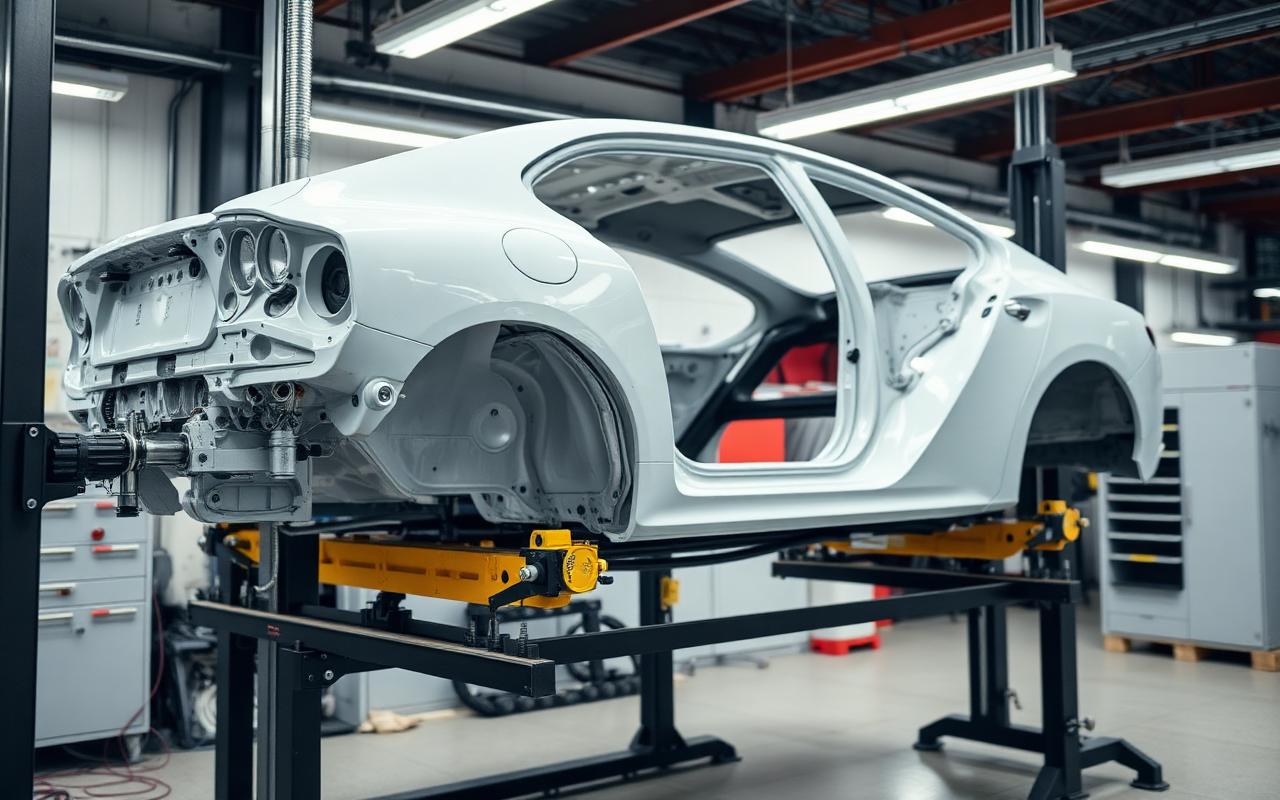
Damaged vehicle being assessed by an engineer in a workshop

About this service

Being told a vehicle is a total loss, commonly called a write-off, is often unwelcome news, particularly when the customer feels the vehicle was in good condition or worth more than the figure offered. Understanding what the decision actually means, and what can genuinely be done about it, helps take some of the sting out of what can otherwise feel like an arbitrary process.

A write-off decision is generally made when the cost of repair is uneconomical relative to the vehicle's pre-accident value. It can also happen where the damage is severe enough to fall into a category that affects how, or whether, a vehicle can be safely returned to the road. Where accurate, understanding which write-off category has been applied matters, because different categories carry different implications for repair, resale and future registration.

The valuation offered by an insurer is usually based on market value. This means what a similar vehicle, of the same age, mileage, condition and specification, would have sold for immediately before the accident, based on market data and comparable sales. This is not the same as what the owner originally paid, what is still owed on any finance, or the sentimental value of the vehicle, none of which factor into a market valuation.

This is exactly where disputes often arise, because market valuations can miss detail that genuinely affects a specific vehicle's value. That detail can include a full main dealer service history, recent significant repairs or replacement parts, a lower-than-average mileage, or non-standard but desirable specification and modifications. Where a customer can evidence these points clearly, there is a legitimate basis to ask an insurer to review the figure offered.

When customers come to us

Not understanding what a write-off decision means
The terminology and categories involved in a write-off decision are not widely understood. We explain clearly what has been decided and what it means for your vehicle.
Feeling the valuation offered is too low
A common source of frustration is a valuation that does not reflect the customer's sense of the vehicle's real condition or value. We help identify what evidence could support a review.
Full service history not reflected in the offer
A complete and well-documented service history can genuinely support a higher valuation, and we help ensure this evidence is presented clearly to the insurer.
Low mileage not accounted for
Where mileage is notably lower than average for the vehicle's age, this can support a higher valuation, provided it can be evidenced with MOT history or service records.
Modifications or non-standard specification
Standard market valuations may not fully reflect desirable modifications or higher specification. We help present evidence of these where genuinely relevant to value.
Uncertainty about salvage retention
Some customers want to keep their vehicle rather than accept a settlement figure. We explain that this is subject to insurer agreement and what it may mean for any payout.

What the work includes

  • Clear explanation of what a write-off decision means for your vehicle
  • Explanation of write-off categories where accurately known and relevant
  • Guidance on how market valuations are generally calculated
  • Support gathering evidence of condition, mileage and service history
  • Support presenting specification and modification evidence where relevant
  • Guidance on sourcing genuine comparable vehicle evidence
  • Coordination with an engineer where a further assessment is appropriate
  • Communication with the insurer to present a valuation query
  • Explanation of salvage retention options, subject to insurer agreement
  • Honest advice on the likelihood and limits of a valuation review

How it works

The 360 process for write-off disputes

  1. 01

    Understanding the decision

    We explain what the write-off decision means, including the category applied where accurate and relevant, so you understand the basis for the insurer's position.

  2. 02

    Reviewing the valuation offered

    We review the valuation against what is known about the vehicle's condition, mileage, service history and specification, to identify whether there are grounds for a query.

  3. 03

    Gathering evidence

    Relevant evidence is gathered, such as service records, MOT history, receipts for significant repairs or parts, and details of any modifications or non-standard specification.

  4. 04

    Sourcing comparable vehicles

    Where possible, genuine comparable vehicle listings are identified to support the argument that the vehicle's true market value is higher than the figure offered.

  5. 05

    Engineer involvement

    Where appropriate, an engineer may review the vehicle's condition or the category applied, adding independent assessment to the evidence presented.

  6. 06

    Presenting the query to the insurer

    We communicate the evidence and query to the insurer on your behalf, explaining clearly why a review of the valuation is being requested.

  7. 07

    Outcome and salvage options

    The insurer reviews the query and reaches a decision, which may or may not result in a revised figure. Where relevant, we explain the option to retain salvage, subject to insurer agreement and any adjustment to settlement.

Capability

How write-off categories and valuations actually work

Write-off categories, where accurate and applicable, broadly reflect the extent and nature of damage. Some categories relate to vehicles that can potentially be repaired and returned to the road following appropriate work and inspection, while others relate to vehicles considered unsuitable to return to the road at all, often because of structural or safety-related damage. Which category applies has real implications for what can subsequently be done with the vehicle, including resale and registration.

Market value, for insurance purposes, is generally calculated using trade valuation guides and comparable sales data. It reflects what a similar vehicle of the same age, mileage, condition and specification was realistically achieving in the market immediately before the accident. This is a different concept from replacement cost, outstanding finance, or what the owner paid when the vehicle was purchased, none of which the insurer is obliged to reflect in the settlement figure.

Evidence that can genuinely move a valuation includes a documented full service history, and evidence of recent significant work such as a new clutch or timing belt. It can also include mileage that is verifiably lower than average for the vehicle's age, and specification or modifications that are shown to be desirable and add resale value in the wider market, not simply personal preference.

Comparable vehicle evidence works by demonstrating, with genuine like-for-like listings, that similar vehicles were realistically achieving higher prices in the market at the relevant time. This grounds a valuation query in the same type of data the insurer's own valuation should be based on, which tends to make it more persuasive than a general assertion that the offer feels low.

Being realistic about outcomes

We cannot guarantee that a valuation query will result in a higher offer, since the final decision rests with the insurer based on the evidence presented and their own assessment. Retaining salvage is also subject to insurer agreement and may affect the settlement figure, and this will be explained clearly if it is relevant to your case.

Why 360

Why customers choose us for this work

Evidence-focused approach
We focus on the specific evidence that genuinely supports a stronger valuation, rather than a general complaint that the offer feels unfair.
Plain explanation of categories and terms
We explain write-off categories and valuation terminology clearly, so the decision makes sense rather than feeling arbitrary.
Direct insurer communication
We present the valuation query to the insurer on your behalf, keeping the case clearly evidenced and professionally communicated.
Honest about the limits of the process
We are upfront that a higher valuation is never guaranteed, and explain the realistic prospects based on the evidence available in your case.

Reading facility

Arkwright Road, Reading

  • 360 Body Shop
  • 360 Accident Management

Body repair, paint, structural repair and nationwide accident management support.

8 Arkwright Road, Reading, Berkshire, RG2 0LU
0118 391 3727

Monday – Friday: 9:00am – 6:00pm

Saturday: By appointment only

Sunday: By appointment only

Questions

Write-Off Disputes — frequently asked

360 Accident Management

Query My Write-Off Valuation

24/7 nationwide accident assistance, recovery and replacement vehicle support.

Add photos if they help us understand the work. This is optional.

We’ll use these details only to respond to your enquiry and manage any work you ask us to complete. View our Privacy Policy.